
Seasonal safety
Monsoon season and your walk-in tub
Arizona's summer storms bring wind, dust, lightning and power outages. Here is what that means for a walk-in tub, for bathroom safety, and for planning an install between June and September.
- Since 2012
- Installed in as little as one day
- Install or supply-only, statewide
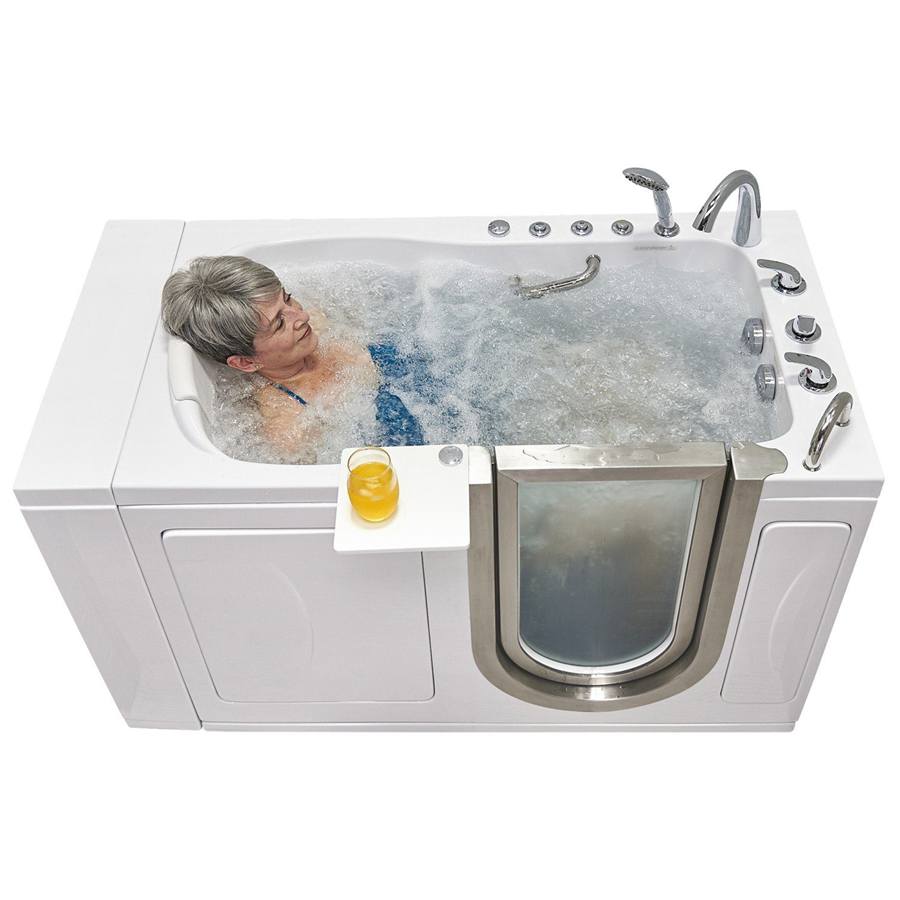
Direct answer: The National Weather Service defines Arizona's monsoon as June 15 through September 30. During storms, avoid bathing when lightning is close, keep a battery light in the bathroom, and know how your walk-in tub behaves without power: jets, heaters and pump-assisted drains stop, so check your owner's manual for how the drain works in an outage. Reset a tripped GFCI only once; repeated trips need an electrician.
Season
What the monsoon is, and when
For years, Arizonans argued about when the monsoon "started," based on dew points and the first big storm. Since 2008, the National Weather Service has used a simple definition for the Southwest: the monsoon season runs from June 15 through September 30. Within that window, storms are most likely in July and August, often building in the afternoon and evening.
The hazards are familiar to anyone who has lived through a few summers here: strong winds, dust storms, lightning, flash flooding and, all season long, extreme heat. The NWS notes that heat causes more weather-related deaths in the region than any other hazard. For older adults at home, the most common monsoon disruptions are simpler: the power goes out, the air conditioning stops, and the house goes dark.
Sources: National Weather Service, monsoon safety (Tucson office); National Weather Service Phoenix, monsoon awareness.
Outages
If the power goes out during a bath
This is the question we hear most from walk-in tub owners, and it deserves a straight answer. A walk-in tub door is sealed while water is in the tub, and you open it only after the water drains. So it matters how your tub drains when the power is off.
- Jets, heaters and lights stop. Air jets, whirlpool jets, inline heaters, heated seats and chromotherapy lights all need electricity. They simply stop working in an outage. That is inconvenient but not dangerous.
- Most drains use gravity. On many walk-in tubs, the drain is a gravity drain, sometimes with two outlets to empty faster, and it keeps working without power. Some models use a pump-assisted fast drain. Check your owner's manual or ask us which kind you have, and how it behaves if the pump has no power.
- Plan for the dark. Keep a battery-powered night light or flashlight within reach of the tub seat. Bathroom windows in many Arizona homes are small or frosted, and a storm can make the room very dark in the evening.
- Do not rush. Let the tub drain fully before you open the door. Use the time to dry off with a towel you keep within reach of the seat.
Storms
Lightning and bathing
Plumbing can carry electrical current from a lightning strike, which is why weather services and the CDC advise against bathing or showering during a thunderstorm. In practice, that means waiting until the storm has passed before getting in the tub or shower. The NWS rule of thumb is that if you can hear thunder, you are close enough to be struck. Many monsoon storms pass within an hour, so a short wait is usually all it takes.
Electrical
Tripped GFCIs and electrical safety
Walk-in tubs with jets or heaters are wired to GFCI-protected circuits, which shut off power if they detect a fault. After a storm, a power surge or moisture can trip a GFCI outlet or breaker.
- Make sure the area is dry. If there is water on the floor or coming through the ceiling, do not touch outlets or switches. Call an electrician.
- Reset once. Press the reset button on the GFCI outlet, or reset the GFCI breaker in the panel.
- If it trips again, stop. Repeated tripping means a real fault. Leave it off and call a licensed electrician.
- Never bypass a GFCI. It is there to protect you in a wet room.
Home
Roof leaks, dust and the bathroom
Monsoon rain arrives fast and heavy. Flat and low-slope roofs, common on older homes in Tucson and parts of the Valley, can leak in a hard storm, and bathrooms often sit under roof vents and fans. If you see a stain or a drip above the tub or near a light fixture, turn off the power to that circuit and have it checked. Dust storms can also clog exhaust fan grilles and leave grit on tub controls and door seals. A quick wipe-down after a dusty week keeps the seal clean.
Heat
Heat and outages together
The biggest risk during a summer outage is not the tub. It is heat. Without air conditioning, an Arizona house can warm up quickly, and older adults are more vulnerable to heat illness. If the power is out on a hot day:
- Drink water regularly, even if you do not feel thirsty.
- Avoid a hot bath; a cool, short shower or a damp cloth is safer.
- Stand up slowly after bathing, holding a grab bar.
- If the outage will last, go somewhere cooler, such as a friend's home or a cooling center. Call 211 Arizona to find one.
- Have a plan for medical devices that need power, and register with your electric utility if it offers a medical-needs program.
Our heat and bathroom safety guide explains why summer baths can run hotter than you expect. The federal Ready.gov power outage page has a general outage checklist.
Scheduling
Installing a walk-in tub during the monsoon
Summer installs happen all the time in Arizona. They simply need a little more planning around heat and storms.
Early starts
Crews begin early, when it is coolest, and aim to finish the heavy carrying before afternoon storms build.
A dry path
A one-piece tub travels from the truck to the bathroom. If a storm is overhead at delivery time, we wait it out rather than carry it through rain or blowing dust.
Water and power off
Water is off for part of the day, and a circuit may be off while an electrician connects the tub. We tell you when, so you can plan around the heat.
If you are a winter resident who leaves before the monsoon, you may prefer to install in spring or fall instead. Our snowbird timing guide has a month-by-month planning table.
Checklist
A monsoon checklist for walk-in tub owners
- Find your owner's manual and note how the drain works without power
- Keep a battery light and a towel within reach of the tub seat
- Wait out thunderstorms before bathing
- Know where your GFCI outlet or breaker is, and how to reset it once
- Check the ceiling above the tub after heavy rain
- Wipe dust from the door seal and controls after dust storms
- Keep a charged phone or medical alert device near the bathroom
- Have a heat plan for long outages
FAQ
Monsoon questions
What happens if the power goes out while I am in my walk-in tub?
Jets, heaters, heated seats and lights stop. Many walk-in tubs use a gravity drain that keeps working without power, but some use a pump-assisted drain. Check your owner's manual or ask us which kind you have, keep a battery light nearby, and let the tub drain fully before opening the door.
When is monsoon season in Arizona?
The National Weather Service defines the monsoon season as June 15 through September 30. Storms are most common in July and August, often in the afternoon and evening.
Is it safe to bathe during a thunderstorm?
It is best to wait. Plumbing can carry current from a lightning strike, so weather and health agencies advise against bathing or showering during a thunderstorm. Most monsoon storms pass fairly quickly.
My walk-in tub stopped working after a storm. What should I check?
First make sure the area is dry. Then check whether the GFCI outlet or breaker tripped and reset it once. If it trips again, leave it off and call a licensed electrician.
Can you install a walk-in tub during monsoon season?
Yes. Crews start early, keep the delivery path dry and watch the forecast. If a storm is overhead at delivery time, we wait or reschedule rather than carry a tub through rain or dust.
Should I take a hot bath during a summer power outage?
It is safer not to. Without air conditioning, a hot bath can add to heat stress. A short, cool shower or a damp cloth is a better choice, and drink water regularly.
Planning a summer install?
We schedule around heat and storms, start early and keep you posted. Get a free written quote first.